Current Exhibition
Echoes of Ferguson Heading link
- Tuesday: By appointment only
- Wednesday, Thursday, Friday: 12:00 pm – 4:00 pm
- Saturday, Sunday and Monday: Closed
Please check back for more information about holiday closures.
Echoes of Ferguson Heading link
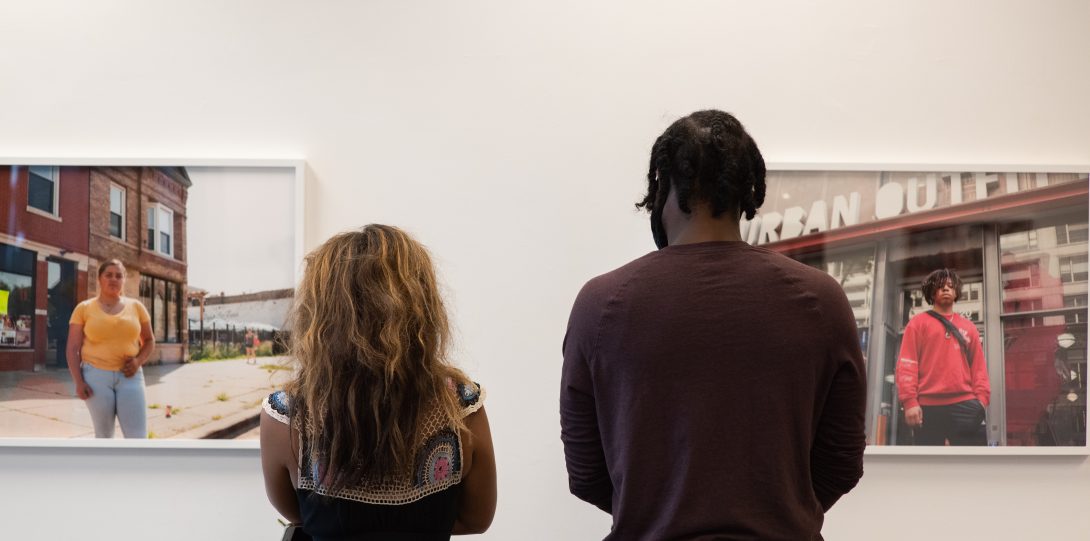
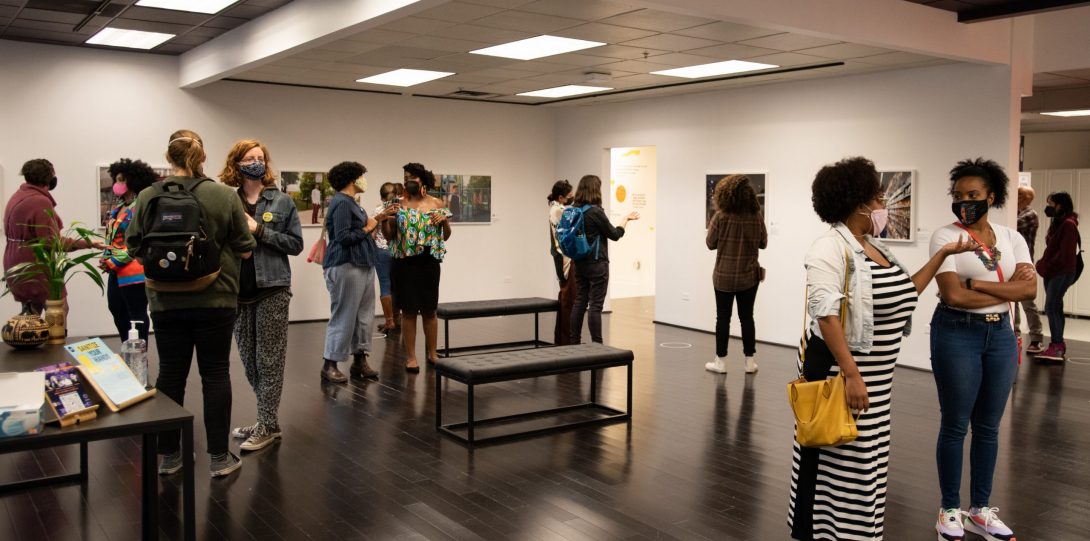
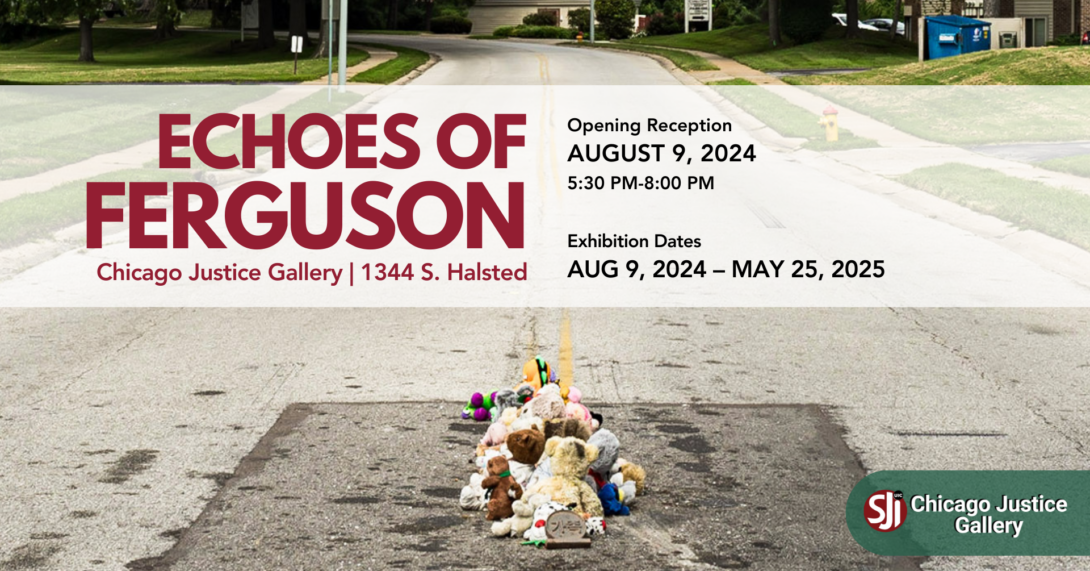
On the tenth anniversary of the Ferguson Uprising and the galvanizing death of Mike Brown, the Echoes of Ferguson exhibition will open in Chicago, IL on August 9, 2024. This powerful and emotional retrospective examines the enduring impact of the Ferguson uprising and explores themes of grief, evanescent placemaking, memory, memorials, monuments, and resistance to state violence.
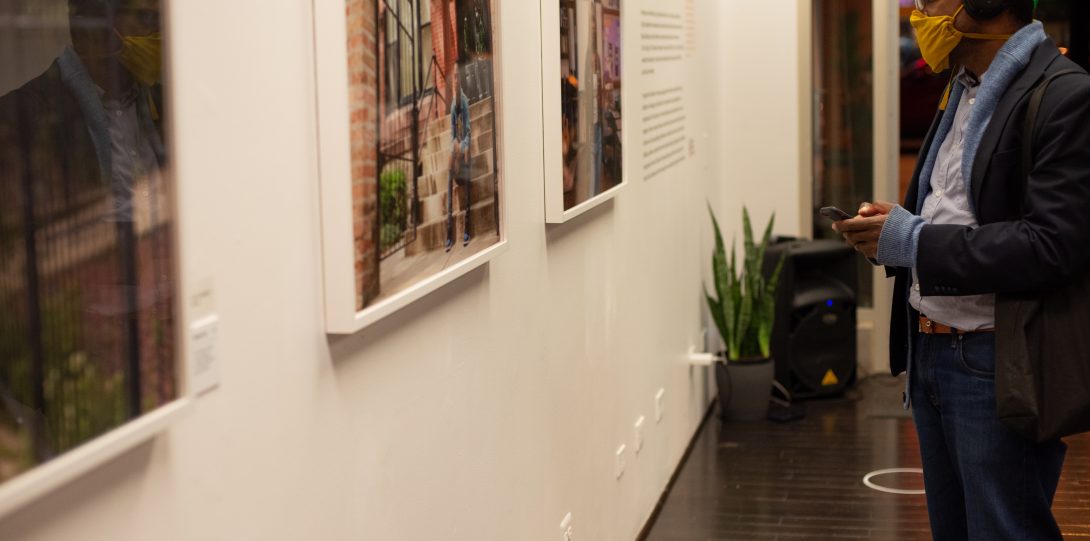
The exhibition, featuring the work of photographers Devin Allen, Jen Everett, Kris Graves, Jon Henry, Alexis Hunley, and Joshua Rashaad McFadden, documents the complexities of Black life. These artists become storytellers, echoing a movement that resists the social injustices reverberating through 21st-century Black and American life.
Through various eras of social justice movements, photography has raised awareness of the injustices faced by many, serving as a mirror that confirms the reality of these discriminations. From the bombing of Gaza to the murder of Laquan McDonald in Chicago, these state-sanctioned deaths may seem isolated but are united by a global thread of anti-Blackness, an echo of Ferguson.
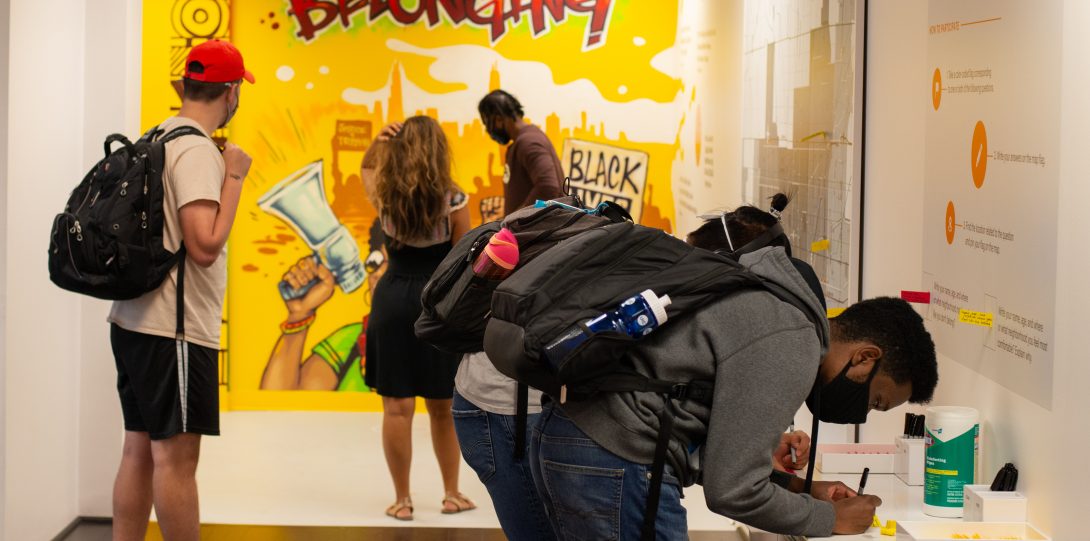
Echoes of Ferguson places love, intimacy, and community at the heart of movement work, with an audio collage providing a dynamic sonic narrative of personal and collective echoes from generations of activism.
Join us for the opening of Echoes of Ferguson and be part of a profound exploration of the impact of the Ferguson uprising on contemporary social justice movements.
There will also be a transformative discussion with curator Lola Ayisha Ogbara and the Let Us Breathe Collective on themes of veneration, grief, evanescent placemaking, and memorials as monuments. The panel will explore the fleeting yet impactful nature of social justice collectives, the meaning of Ferguson 10 years later, the echoes of Ferguson’s uprising in current global social injustices, and the role of photography in documenting these movements. Confirmed panelists include Jennifer Pagan and Damon Williams, with additional panelists to be confirmed.
Event Details:
August 9, 2024
Chicago Justice Gallery; 1344 S Halsted St. Chicago, IL 60607
5:30-8:00 pm
Space is limited, RSVP here.